Universal Access Browser Extension
Transforming AI Infrastructure into the World’s Most Powerful Accessibility Tool
While AI benefits from accessible websites, 1.3 billion people with disabilities struggle to navigate the web. This project, Universal Access, shifts focus from fixing websites to making information accessible.
This browser extension uses AI-focused technologies and structured data formats (NLWeb, Schemamap) to provide revolutionary accessibility via two features:
- Conversational Interface: Users use natural language commands (e.g., “buy coffee under $20”) to replace complex navigation and filters.
- Smart Visual Adaptation: The extension automatically restructures webpages based on schema.org entities (Product, Recipe, Article, etc.), removing clutter like ads and popups for optimal display.
It offers Schema-Driven Display Modes (e.g., Recipes as step-by-step instructions, Articles in Reader mode) and One-Click Accessibility Presets for needs like Low Vision, Dyslexia, and ADHD.
Structured data, used by AI to understand content, is leveraged by the extension to automatically tailor the display to each user’s specific needs, making better schema equal to better accessibility.
Target Audience
- Frontend / JavaScript Developers: Build the browser extension UI, implement the visual transformation engine, and create the schema-driven display templates.
- Accessibility Specialists: Guide WCAG compliance, define the accessibility presets, and ensure the extension itself is fully accessible.
- Schema.org / Structured Data Experts: Help parse and interpret schema entities, optimize entity detection, and design the mapping between schema types and display modes.
- UX / UI Designers: Design clean, accessible interface templates for each content type and create intuitive controls for switching between modes.
- AI / NLP Enthusiasts: Work on the NLWeb integration layer and help implement the conversational query interfac
Hackathon Goals
- Build a functional browser extension PoC (Chrome/Edge) to detect schema.org entities and transform visual presentation.
- Implement three schema-driven display modes (Product, Article, Recipe) with accessible rendering templates.
- Create two accessibility presets: Low Vision (high contrast/large fonts) and Dyslexia-friendly (OpenDyslexic/adjusted spacing).
- Integrate basic NLWeb conversational queries for supporting pages.
- Produce a compelling live demo transforming a complex webpage into a clean, accessible interface for the pitch.
- Document the architecture for post-hackathon development, including APIs and the product roadmap.
Results
In a web where website owners are much more interested in presenting their content to bots and crawlers in a structured way than to users with disabilities, this project’s goal was to make that information more easily available to humans instead.
The team managed to build a Chrome extension that takes advantage of websites’ structured schema data to display relevant information in an accessible and efficient way. It also uses recent advances in natural language technologies, like Microsoft’s NLWeb to provide a conversational interface, for accessible navigation throughout supported websites.
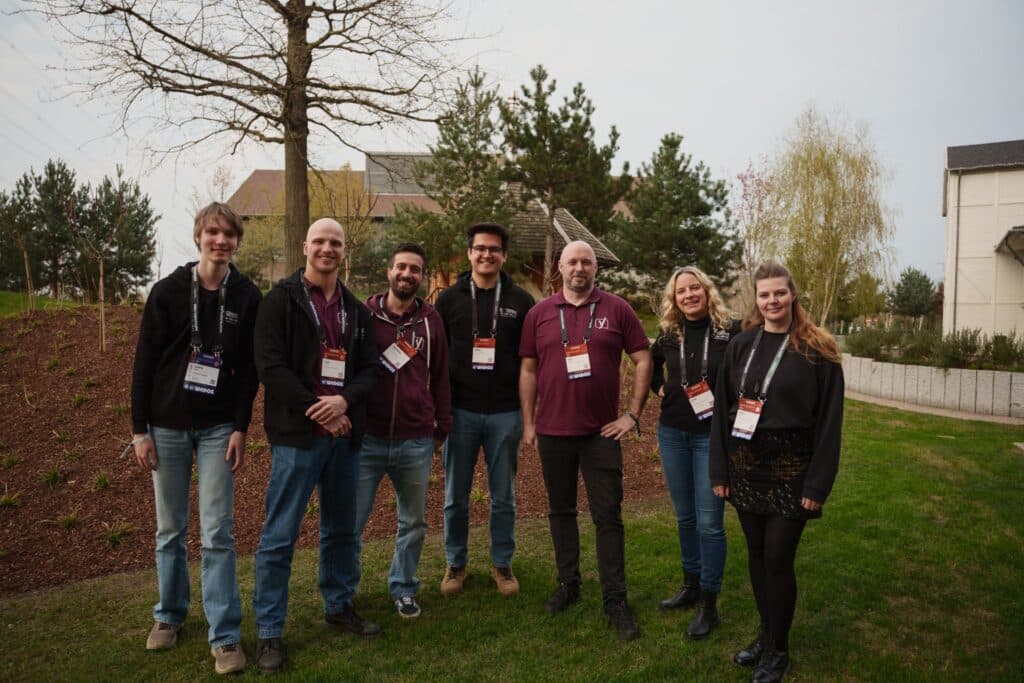
Specifically, the browser extension:
- Provides a focused reading mode on webpages with article/product/recipe schema.org entities, with presets for people with low vision or dyslexia, where users can read the most relevant information of a website, without having to navigate through endless divs, pop-ups or ads.
- Extends that focused reading mode for accessible central navigation of shop pages, whenever it detects the existence of schema maps, a place where all the schema of a website is gathered in a single place.
- Allows for navigation throughout websites with support of NLWeb technology using a conversational interface, where the user can use natural language to ask for information that exists on the website.
Meant to take advantage of data designed for bots and crawlers, the browser extension uses that data to build an accessible browsing experience to users with disabilities and the features that were implemented can be already a great win for accessibility throughout the web. The project’s next goals can include bringing it to product-level quality, extending the supported schema entities to things like events and locations or building extensions for browsers like Edge and Firefox.
Team Members:
- Elisa Foltyn
- Leonidas Milosis
- Lorenz Sigrist
- Maja Benke
- Milan Ferus-Comelo
- Rolf Siebers
- Tom Ottjes
Project links
GitHub repo: https://github.com/Universal-Access/browser-extension
Instagram: https://www.instagram.com/universal_access_extension/
Project Lead
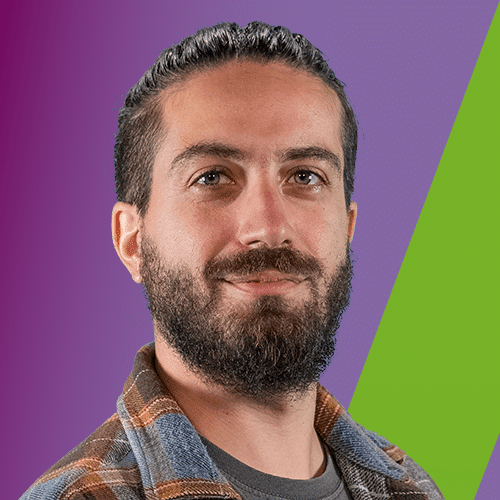
Leonidas MilosisSoftware Developer, Yoast
#Accessibility
#A11y
#SchemaOrg
#NLWeb
#AIforGood
#WCAG
Project Mentor